Types of catheters and how they can help
A catheter is a soft tube that goes into your bladder through your urethra and holds open your prostate to allow urine to pass. A catheter empties your bladder and helps prevent the build-up of urine.
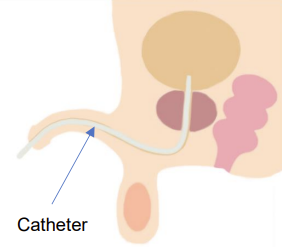
If you need a catheter there are two potential options:
Indwelling catheters are inserted by a medical professional and held in place by a small balloon inflated inside your bladder. The catheter needs to be replaced approximately every 12 weeks. This is usually performed by a district nurse at your home, but some patients need to come to hospital to have their catheters replaced.
In some cases, a small tap can be fitted on the end of the catheter (called a flip-flow valve). This tap can be opened down the toilet, removing the need to wear a bag in the day. This option is appropriate for most patients with catheters.
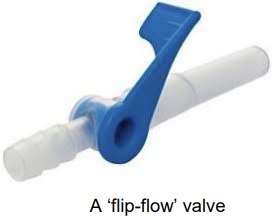
More information about catheter valves can be found here.
Intermittent self-catheterisation (ISC) is an underutilised but comfortable alternative to an indwelling catheter. In some catheterised patients, it may allow resumption of normal urination. It requires you to insert a single use, disposable catheter into your bladder. Your
urine will flow through the tube into the toilet until your bladder is empty, and then you remove the catheter and throw it away. You may need to insert a catheter between 1 and 6 times a day.
ISC means that you do not have to have a catheter in 24 hours a day, and can also relieve symptoms of BOO to allow you to return to your normal daily activities.
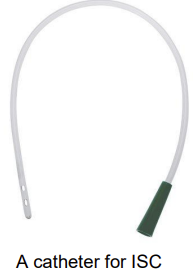
A urology specialist nurse will teach you how to insert the catheter in a clean and safe manner and answer any questions you may have.
Although ISC is not suitable for everyone (as it requires good manual dexterity), it is a very good option and should be offered to all men able to use them, who have had an indwelling catheter in place for more than a few weeks. Please do ask about this if it hasn’t been offered or suggested as an alternative.
More information about self-catheterisation can be found here.